
Conceptual Data Model
What Is a Conceptual Data Model?
A conceptual data model outlines key business entities, their attributes, and relationships without detailing technical structures like tables or databases.
It helps both technical and non-technical teams create a shared understanding of the most important data in a system. Conceptual models focus on what information matters for the business, making it easier to design systems that meet real needs before any technical decisions are made.
Key Benefits of a Conceptual Data Model
Key Benefits of a Conceptual Data Model
A conceptual data model offers major benefits by creating a common language and improving teamwork across departments.
- Shared understanding: Conceptual data models use simple language and visuals to explain key data elements and relationships, making it easier for all teams to stay aligned and build trust.
- Communication and collaboration: Conceptual models help teams clarify requirements, spot gaps, and align on business rules, leading to stronger decisions on cost, delivery, and features.
Conceptual vs. Logical vs. Physical Data Models
Conceptual vs. Logical vs. Physical Data Models
Each type of data model plays a unique role in the data design process. It’s important to understand how they differ to use them effectively.
- Conceptual Data Model: Focuses on the business view of data by identifying key entities and their relationships. It uses simple terms and avoids any technical or system-specific details.
- Logical Data Model: Adds technical structure by defining how entities are organized, including keys, attributes, and relationships. It is still system-agnostic but moves closer to implementation.
- Physical Data Model: Describes exactly how data will be stored in the database, including table names, column types, indexes, and storage details. It is tailored for a specific database technology.
When to Use a Conceptual Data Model: Ideal Scenarios
When to Use a Conceptual Data Model: Ideal Scenarios
Conceptual data models are best used at the start of a project when teams need to agree on what information is important. They are ideal when gathering business requirements, designing new systems, or combining multiple sources of data after a merger or acquisition.
Conceptual modeling also plays a key role when creating a data governance framework, helping teams focus first on business needs rather than jumping into technical details.
Example of a Conceptual Data Model
Example of a Conceptual Data Model
The way a conceptual data model is built depends on the type of business needed. Here are three common examples:
- Transactional: In systems like online retail or hotel reservations, conceptual models capture entities like Customer, Reservation, and Room, focusing on key attributes and interactions without technical details.
- Analytical: Analytical models often resemble a star schema, connecting facts like Revenue with dimensions like Time and Hotel using a Fact Qualifier Matrix (FQM) to organize and explain business measures.
- Enterprise: In large organizations, conceptual models are divided into subject areas like Marketing and Payment, helping manage complexity and keep teams aligned across different departments.
Learn More About Conceptual Data Models
Learn More About Conceptual Data Models
Conceptual data models are a vital first step in successful data design. They help organizations focus on what matters most before moving into technical decisions. By starting with a clear, business-driven model, teams avoid misunderstandings, costly rework, and system misalignment.
Whether building new applications, improving reporting, or designing enterprise systems, conceptual models make sure the foundation is right from the start. For a deeper look at real-world examples and practical tips, we recommend reading this guide on conceptual data modeling.
Enhance Your Data Handling with OWOX BI SQL Copilot for BigQuery
Enhance Your Data Handling with OWOX BI SQL Copilot for BigQuery
Bring your conceptual data models to life with OWOX BI SQL Copilot for BigQuery. Quickly turn business ideas into accurate SQL queries with smart suggestions and intuitive workflows. Whether modeling customer journeys, sales, or operations, OWOX BI keeps your BigQuery projects aligned with business goals.
Topics
Related terms
Related articles

Customer stories
Learn how teams ship analytics faster
Organizations that scaled analytics without scaling headcount
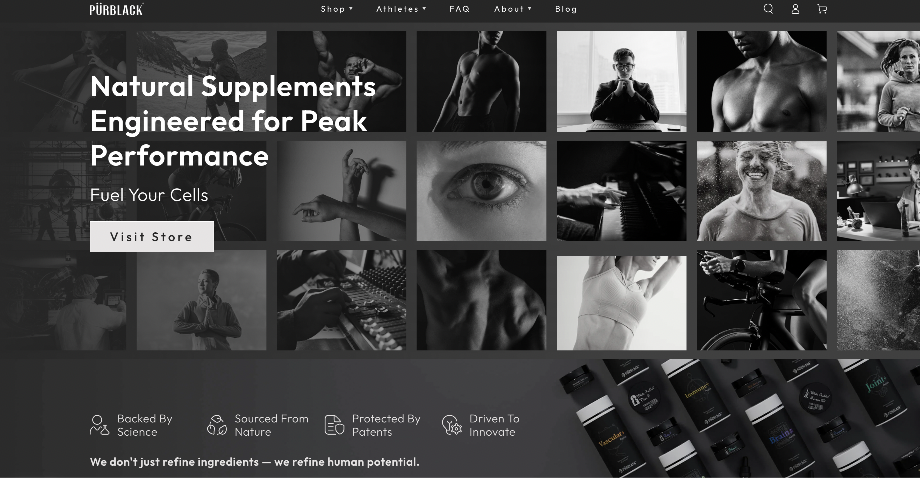 "For 10 years I was blind." The day Pürblack® founder stopped guessingSecondsto get reports across six channelsRead the story
  How OWOX Reports Helped Reformation Make Data-Backed DecisionsMinutesfrom data request to business decisionRead the story
  How OWOX Reports Streamlined Operations for WorkSimpli, Saving Over 10 Hours Weekly10hrs+saved per week on manual reportingRead the story
 What users are saying
Not testimonials. Comment threads.
Real things real customers said — each quote pinned to a specific claim, straight from the quotes database.
 Nodari RizunFounder & CEO, Pürblack®
“AI, by the nature of the models, will hallucinate. And because of that, you need something which will create guardrails to ensure that there are no hallucinations, that you can trust your data.”
Nodari RizunFounder & CEO, Pürblack®“I was blind, now I can see. OWOX opened our eyes.”
“We are extremely satisfied with the results achieved through our partnership with OWOX. I'm also impressed by quick and effective support we get from OWOX”