
CTE Query Optimization
What Are CTE Query Optimization Techniques?
CTE query optimization techniques are methods used to improve the efficiency and performance of SQL queries that include Common Table Expressions (CTEs).
CTE query optimization techniques help databases process CTEs more effectively by minimizing redundant operations, improving readability, and reducing computation time. By optimizing CTE logic, analysts can ensure that queries run faster and consume fewer resources, especially useful for large datasets and complex analytical queries.
Why CTE Query Optimization Techniques Matter
Why CTE Query Optimization Techniques Matter
CTE query optimization plays a vital role in ensuring that SQL queries remain both efficient and scalable.
By improving how databases interpret and execute CTEs, analysts can avoid performance bottlenecks and redundant processing.
- Reduce duplicated subqueries: Optimized CTEs prevent the database from re-executing the same logic multiple times.
- Enhance execution planning: They help the query optimizer understand data flow for faster computation.
- Improve resource utilization: Efficient CTEs minimize CPU and memory consumption during execution.
- Support scalability: Optimized logic performs consistently across large datasets and complex joins.
- Boost overall performance: Cleaner, structured CTEs shorten query run times and ensure smoother analytics pipelines.
Benefits of Using CTE Query Optimization Techniques
Benefits of Using CTE Query Optimization Techniques
Applying CTE query optimization techniques leads to faster, cleaner, and more maintainable SQL workflows. These methods not only enhance query speed but also help teams manage complex logic efficiently across multiple datasets.
- Improved query performance: Optimized CTEs help the database engine better understand and execute queries.
- Reduced redundancy: They eliminate repetitive subqueries, simplifying data retrieval.
- Enhanced readability: Clean, structured SQL is easier to debug and modify.
- Lower resource usage: Optimizations minimize CPU and memory strain during execution.
- Consistent analytics outputs: Reliable CTEs improve trust in data-driven decisions.
Limitations and Challenges of CTE Query Optimization Techniques
Limitations and Challenges of CTE Query Optimization Techniques
While CTE optimization improves performance and clarity, it also comes with a few limitations analysts must consider. Some database engines handle CTEs differently, and excessive use can sometimes hurt efficiency rather than improve it.
- Re-execution issues: Certain databases may reprocess the exact CTE multiple times if not properly materialized.
- Complexity in nested queries: Deeply nested or interdependent CTEs can increase query execution time.
- Limited optimizer support: Not all systems apply advanced optimization rules to CTEs.
- High memory usage: Large datasets can strain system resources when processed repeatedly.
Best Practices for Applying CTE Query Optimization Techniques
Best Practices for Applying CTE Query Optimization Techniques
Following the right practices ensures that CTEs remain efficient, maintainable, and easy to scale across projects. By combining structural clarity with performance awareness, analysts can achieve faster and cleaner query execution.
- Minimize redundant computations: Avoid repeating the same logic in multiple CTEs, reuse results strategically.
- Filter early: Apply WHERE clauses and aggregation limits as soon as possible to reduce processing overhead.
- Use indexing wisely: Create indexes on columns used for joins, filters, or groupings to speed up lookups.
- Simplify joins: Replace unnecessary nested joins with cleaner, flatter structures where possible.
- Test performance: Compare execution plans before and after changes to confirm actual gains.
Consistent application of these practices improves performance and maintains query transparency across analytics environments.
Real-World Applications of CTE Query Optimization Techniques
Real-World Applications of CTE Query Optimization Techniques
CTE query optimization techniques are used across industries to make SQL-based analytics faster, scalable, and easier to manage. These applications highlight how optimization supports both performance and business reliability.
- Marketing analytics: Optimized CTEs streamline campaign data aggregation and ad performance analysis.
- Financial reporting: Finance teams use them to calculate running totals, margins, and profitability efficiently.
- Customer retention analysis: CTEs help segment users by activity or churn risk while minimizing processing time.
- Sales forecasting: Optimization improves model accuracy and reduces computation time for time-series queries.
- Business intelligence dashboards: Faster, optimized queries ensure real-time insights and smoother report updates.
Explore the CTE Query Optimization Techniques in Detail
Explore the CTE Query Optimization Techniques in Detail
To deepen your understanding, explore advanced techniques like execution plan analysis, query rewriting, and performance monitoring. Learn how to combine indexing, partitioning, and CTE restructuring for better query execution efficiency. Dive into tutorials that cover practical use cases, from optimizing nested CTEs to handling recursive queries effectively.
Optimize Queries Seamlessly with OWOX Data Marts
Optimize Queries Seamlessly with OWOX Data Marts
OWOX Data Marts helps analysts structure and optimize SQL logic once, then reuse it efficiently across multiple reports. With built-in governance, version control, and scheduling triggers, your optimized CTEs remain consistent and up to date without manual reruns. Analysts gain reliable performance while business users access trusted data instantly.
Topics
Related terms

Related articles
Customer stories
Learn how teams ship analytics faster
Organizations that scaled analytics without scaling headcount
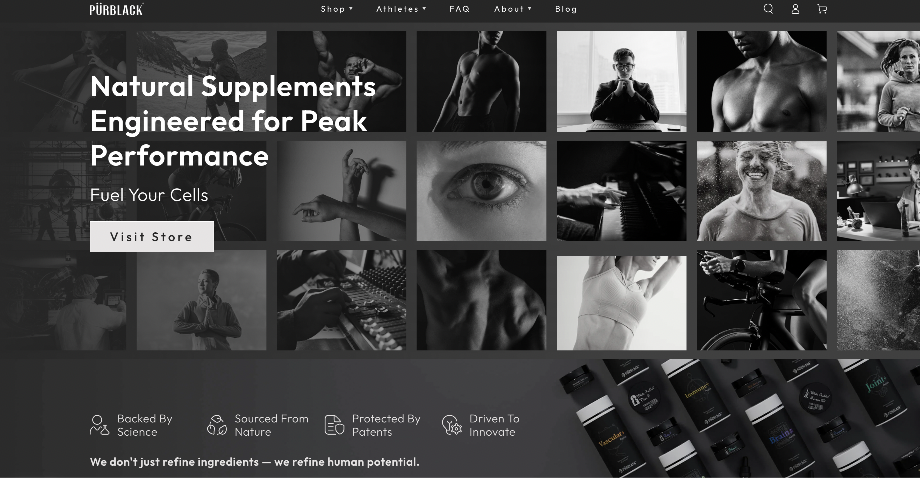 "For 10 years I was blind." The day Pürblack® founder stopped guessingSecondsto get reports across six channelsRead the story
  How OWOX Reports Helped Reformation Make Data-Backed DecisionsMinutesfrom data request to business decisionRead the story
  How OWOX Reports Streamlined Operations for WorkSimpli, Saving Over 10 Hours Weekly10hrs+saved per week on manual reportingRead the story
 What users are saying
Not testimonials. Comment threads.
Real things real customers said — each quote pinned to a specific claim, straight from the quotes database.
 Nodari RizunFounder & CEO, Pürblack®
“AI, by the nature of the models, will hallucinate. And because of that, you need something which will create guardrails to ensure that there are no hallucinations, that you can trust your data.”
Nodari RizunFounder & CEO, Pürblack®“I was blind, now I can see. OWOX opened our eyes.”
“We are extremely satisfied with the results achieved through our partnership with OWOX. I'm also impressed by quick and effective support we get from OWOX”