
Data Governance Framework
What Is Data Governance Framework?
A data governance framework is a structured approach that defines how an organization manages data quality, security, and accessibility.
It outlines the policies, processes, roles, and technologies needed to ensure data is accurate, secure, and compliant. A solid framework helps organizations maintain control over their data, promotes collaboration, and supports data-driven decision-making. It acts as a guide to align people, processes, and tools for effective data management.
Key Benefits of a Data Governance Framework
Key Benefits of a Data Governance Framework
A well-defined data governance framework delivers multiple benefits:
- Improved data quality: Establishes clear standards for data entry, validation, and usage, reducing inconsistencies and ensuring reliable insights.
- Regulatory compliance: Helps align with data privacy laws like GDPR or CCPA by enforcing policies that manage access, storage, and sharing of sensitive data.
- Enhanced data security: Protects data from unauthorized access with defined roles, permissions, and security protocols across systems.
- Operational efficiency: Streamlines data processes, reduces manual errors, and eliminates redundancy, freeing up resources for strategic tasks.
- Better decision-making: Provides accurate, trusted data for analytics, enabling teams to make informed business decisions with confidence.
These benefits collectively improve data trust, usability, and accountability across the organization.
How a Data Governance Framework Functions
How a Data Governance Framework Functions
A data governance framework works by defining who can access data, how it’s used, and how it’s maintained. It sets rules for data ownership, quality standards, and usage policies.
Data stewards ensure these rules are followed, while tools automate monitoring and enforcement. By aligning data processes with business objectives, the framework ensures data remains a valuable, well-managed asset.
Core Components of a Data Governance Framework
Core Components of a Data Governance Framework
An effective data governance framework typically includes:
- Data policies and standards: Define rules for data quality, privacy, and security.
- Roles and responsibilities: Assign ownership to data stewards, custodians, and governance teams.
- Data catalog and metadata management: Organize and document data assets for easy discovery.
- Data quality management: Establish processes for validating, cleaning, and enriching data.
- Access control and security: Manage permissions and protect sensitive data.
- Monitoring and compliance: Track data usage, audit changes, and ensure regulatory adherence.
These components work together to maintain control, visibility, and trust in data.
How to Build an Enterprise Data Governance Framework in 5 Steps
How to Build an Enterprise Data Governance Framework in 5 Steps
Step 1: Establish your definition of data governance: Define what data governance means for your organization, outlining its purpose, scope, and goals.
Step 2: Identify and define data domains: Standardize data domains like finance, sales, or marketing, clarifying what data they generate and who uses it.
Step 3: Assign data owners and consumers: Designate responsible owners for each domain and map out consumption patterns to manage access and responsibilities.
Step 4: Validate and document data flows: Document data origins, definitions, flows, and policies to maintain consistency and transparency across the organization.
Step 5: Conduct security and risk assessments: Regularly assess data security measures and access policies to mitigate risks and support continuous governance improvement.
Following these steps ensures a structured and scalable governance approach tailored to your business needs.
Models and Examples of Data Governance Frameworks
Models and Examples of Data Governance Frameworks
Organizations can adopt different governance models based on their structure:
- Top-down: Leadership defines and enforces governance policies across business units.
- Bottom-up: Teams at operational levels establish practices that influence higher-level governance.
- Center-out: A dedicated data governance team sets and manages organization-wide data standards.
- Silo-in: Departments align on governance while addressing specific group needs, fostering collaboration.
- Hybrid: Combines approaches like center-out for strategy and top-down for final decisions, offering flexibility.
Examples include frameworks like DAMA-DMBOK and COBIT, which provide structured methods for data governance implementation.
Understanding data governance frameworks is essential for organizations aiming to manage data effectively. Whether you’re starting from scratch or refining an existing strategy, a well-built framework helps ensure your data is secure, reliable, and aligned with business goals.
Discover the Power of OWOX BI SQL Copilot in BigQuery Environments
Discover the Power of OWOX BI SQL Copilot in BigQuery Environments
OWOX BI SQL Copilot simplifies BigQuery query building with AI-driven suggestions, error detection, and performance optimization. It reduces time-to-insight, prevents costly mistakes, and ensures efficient use of resources, making it an essential tool for data teams managing complex datasets.
Topics
Related terms
Related articles

Customer stories
Learn how teams ship analytics faster
Organizations that scaled analytics without scaling headcount
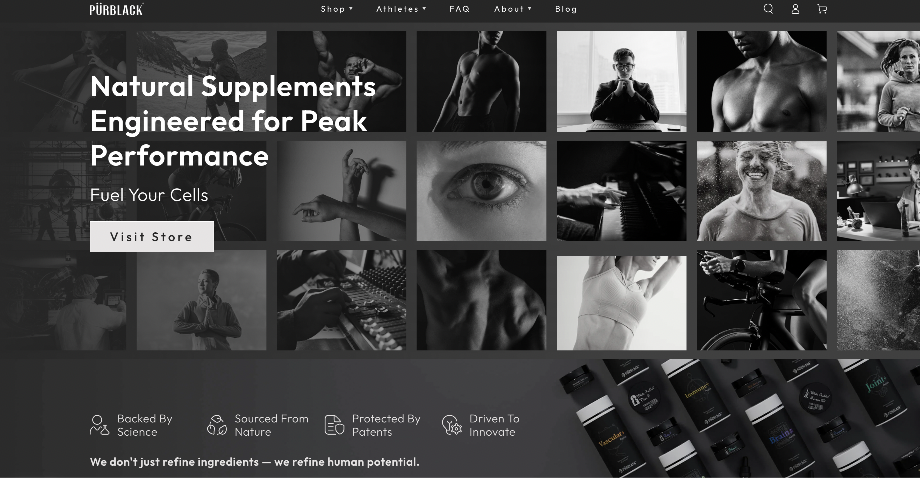 "For 10 years I was blind." The day Pürblack® founder stopped guessingSecondsto get reports across six channelsRead the story
  How OWOX Reports Helped Reformation Make Data-Backed DecisionsMinutesfrom data request to business decisionRead the story
  How OWOX Reports Streamlined Operations for WorkSimpli, Saving Over 10 Hours Weekly10hrs+saved per week on manual reportingRead the story
 What users are saying
Not testimonials. Comment threads.
Real things real customers said — each quote pinned to a specific claim, straight from the quotes database.
 Nodari RizunFounder & CEO, Pürblack®
“AI, by the nature of the models, will hallucinate. And because of that, you need something which will create guardrails to ensure that there are no hallucinations, that you can trust your data.”
Nodari RizunFounder & CEO, Pürblack®“I was blind, now I can see. OWOX opened our eyes.”
“We are extremely satisfied with the results achieved through our partnership with OWOX. I'm also impressed by quick and effective support we get from OWOX”