
Conceptual Data Modeling Tools
What Is a Conceptual Data Modeling Tool?
A conceptual data modeling tool helps visualize high-level data structures and relationships within a business context.
These tools are used to map out how entities relate to one another without focusing on the technical implementation. They provide a clear view of business concepts, terms, and data requirements, often serving as a bridge between business stakeholders and technical teams. By using conceptual models, teams can align on definitions and priorities before diving into more detailed physical or logical models.
Understanding Conceptual Data Modeling
Understanding Conceptual Data Modeling
Conceptual data modeling focuses on the foundational structure of data by identifying key entities, their attributes, and the relationships among them. It abstracts away from implementation details to ensure that business requirements are accurately captured.
These models are typically created in the early phases of a project to guide discussions between technical and non-technical stakeholders. A well-structured conceptual model lays the groundwork for logical and physical data models, helping to reduce errors, improve documentation, and maintain alignment across teams.
Why Use a Conceptual Data-Modeling Tool?
Why Use a Conceptual Data-Modeling Tool?
Using a dedicated conceptual data-modeling tool streamlines the process of building clear and consistent high-level models. These tools offer drag-and-drop interfaces, reusable templates, and collaboration features that make it easier for teams to visualize data concepts.
They help uncover data gaps early, improve communication between departments, and ensure that systems are designed based on real business needs. With a strong conceptual model, organizations can avoid costly rework and ensure long-term data consistency.
Popular Tools for Conceptual Data Modeling
Popular Tools for Conceptual Data Modeling
Conceptual modeling tools vary in features and complexity. Here are some of the most commonly used options:
- ER/Studio: A powerful tool that supports conceptual, logical, and physical modeling with strong metadata management.
- ERwin Data Modeler: Popular for its ability to create, visualize, and standardize conceptual models across enterprise environments.
- Lucidchart: A lightweight, web-based diagramming tool suitable for creating simple conceptual models with real-time collaboration.
- Microsoft Visio: Ideal for basic conceptual modeling with a familiar interface and shape libraries.
- Sparx Systems Enterprise Architect: Designed for complex enterprise modeling projects with support for multiple modeling standards.
Choosing the right modeling tool starts with understanding your team’s collaboration needs, project scale, and integration requirements. Advanced tools offer glossary support, export to logical models, and version tracking. Cloud-enabled platforms also improve team workflows and documentation. Evaluating these features helps ensure your modeling tool supports both strategic planning and day-to-day operations.
Introducing OWOX BI SQL Copilot: Simplify Your BigQuery Projects
Introducing OWOX BI SQL Copilot: Simplify Your BigQuery Projects
OWOX BI SQL Copilot helps teams work faster in BigQuery by generating intelligent SQL suggestions, automating repetitive tasks, and reducing query errors. It bridges the gap between conceptual models and real-time analytics by aligning queries with your data structure, saving time while maintaining accuracy in reporting and analysis.
Topics
Related terms

Related articles
Customer stories
Learn how teams ship analytics faster
Organizations that scaled analytics without scaling headcount
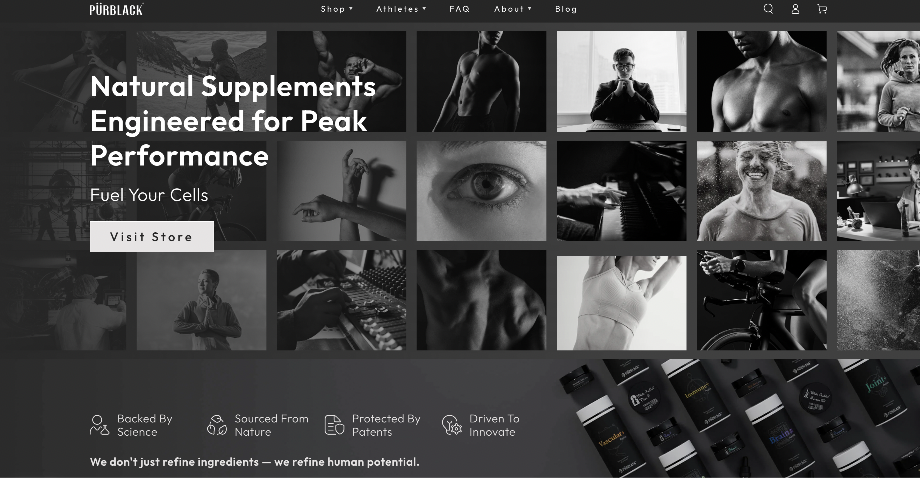 "For 10 years I was blind." The day Pürblack® founder stopped guessingSecondsto get reports across six channelsRead the story
  How OWOX Reports Helped Reformation Make Data-Backed DecisionsMinutesfrom data request to business decisionRead the story
  How OWOX Reports Streamlined Operations for WorkSimpli, Saving Over 10 Hours Weekly10hrs+saved per week on manual reportingRead the story
 What users are saying
Not testimonials. Comment threads.
Real things real customers said — each quote pinned to a specific claim, straight from the quotes database.
 Nodari RizunFounder & CEO, Pürblack®
“AI, by the nature of the models, will hallucinate. And because of that, you need something which will create guardrails to ensure that there are no hallucinations, that you can trust your data.”
Nodari RizunFounder & CEO, Pürblack®“I was blind, now I can see. OWOX opened our eyes.”
“We are extremely satisfied with the results achieved through our partnership with OWOX. I'm also impressed by quick and effective support we get from OWOX”